
News
A Journey of Resilience, Rooted in a Mother’s Sacrifice – The story of Mary Ayariga
News
FC Tamale President Ibrahim Gagbuni Supports Northern Women’s Football Unity Games
Details
Published: September 5, 2026
Published at: 7:30Pm
By Abu Liza
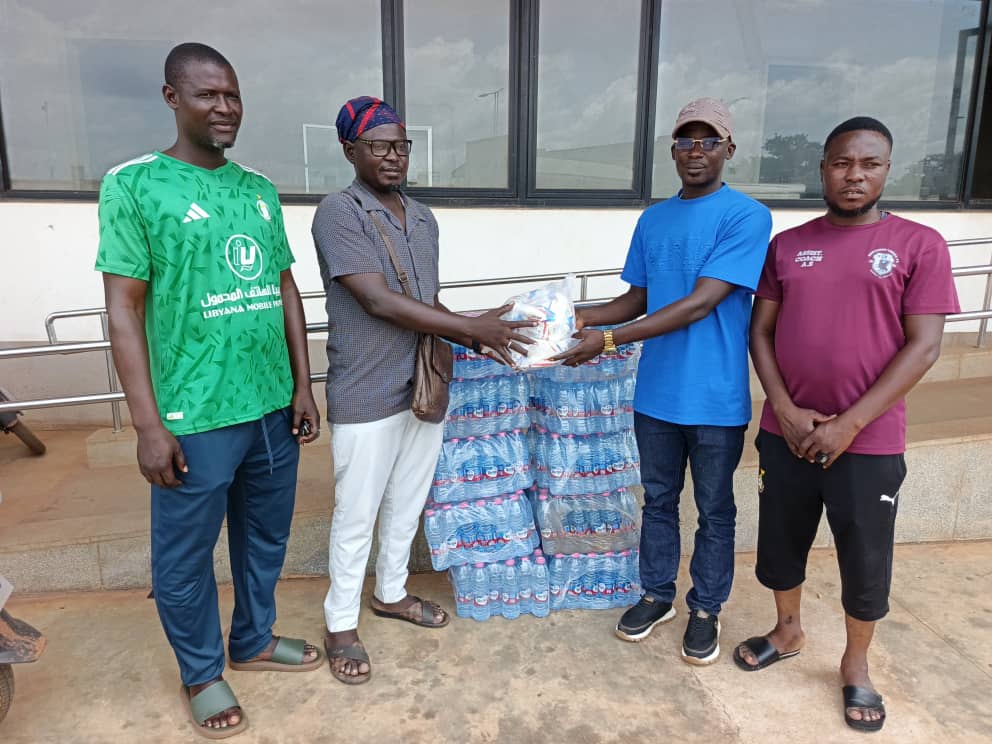
President of FC Tamale, Mr. Ibrahim Gagbuni, has demonstrated his commitment to the development of women’s football in the Northern Region by donating 10 family packs of Verna drinking water to the Northern Regional Women Football Clubs Association.
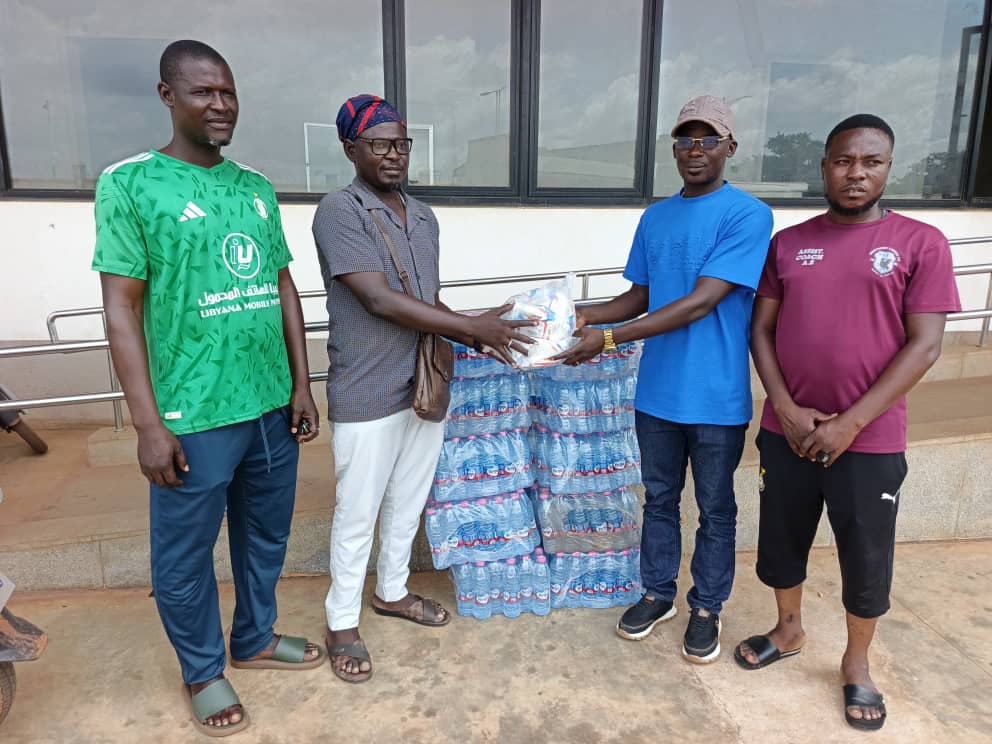
The donation is to support the Association’s upcoming Unity Games in Kumbungu, an initiative aimed at bringing women’s football clubs together to promote unity, friendship, sportsmanship and community cohesion.
Mr. Gagbuni said football goes beyond competition and can serve as a powerful tool for unity, peace and humanity. He encouraged participating clubs, players, officials and organizers to use the games to strengthen relationships and promote the development of women’s football in the region.

The FC Tamale President noted that although the donation may be modest, it represents his willingness to support initiatives that create opportunities and improve the welfare of women involved in football.
The Northern Regional Women Football Clubs Association expressed appreciation for the gesture, describing it as an important show of solidarity and support for the Unity Games.
The Unity Games in Kumbungu are expected to bring together women’s football clubs in a spirit of friendship, healthy competition and collective development
News
NAFCO Warns Public Against Fraudsters Posing as Agents to Secure School Feeding Contracts
Details
Published: September 3, 2026
Published at: 06:12Pm
By Saibu Terry
The National Food Buffer Stock Company Limited (NAFCO) has cautioned members of the public against individuals allegedly posing as agents of the company and claiming to have influence over the award of food supply contracts to second-cycle institutions.
According to NAFCO, the individuals are going around soliciting money from unsuspecting members of the public under the pretext of helping them secure food supply contracts.
In a disclaimer issued by its Corporate Affairs Department on Thursday, September 3, 2026, NAFCO stressed that no third party is engaged in the award and allocation of contracts for food supplies to schools.
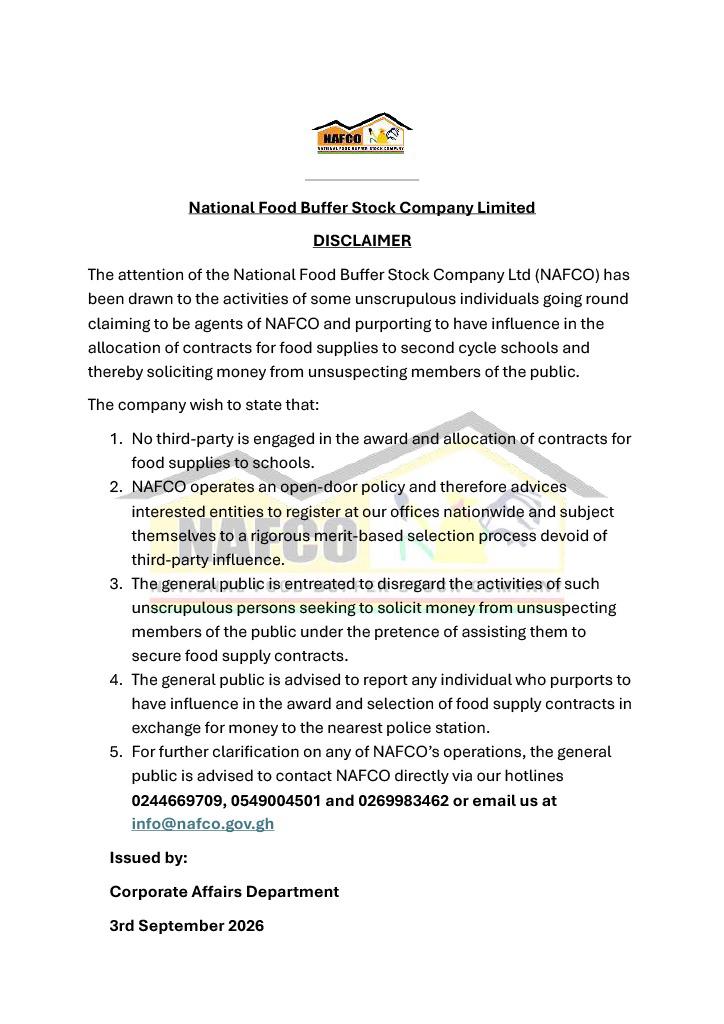
The company explained that it operates an open-door policy and encouraged interested entities to register at its offices nationwide and undergo a rigorous merit-based selection process.
NAFCO warned that the selection process is devoid of third-party influence and urged the public to disregard anyone who claims to have connections or influence over the award of food supply contracts.
The company further advised anyone approached by individuals soliciting money in exchange for assistance in securing food supply contracts to report them to the nearest police station.
For further clarification on NAFCO’s operations, the company urged the public to contact its hotlines on 0244669709, 0549004501, and 0269983462, or email info@nafco.gov.gh.
NAFCO reiterated that members of the public should exercise caution and avoid making payments to individuals who claim they can influence the contract award process.
News
Former Ghanaian Footballer Jafar Samed Issah Cheers on Friend Jaleen Smith as Croatia Thrash Latvia
Details
Published: August 29, 2026
Published at: 01:18Pm
By Saibu Terry
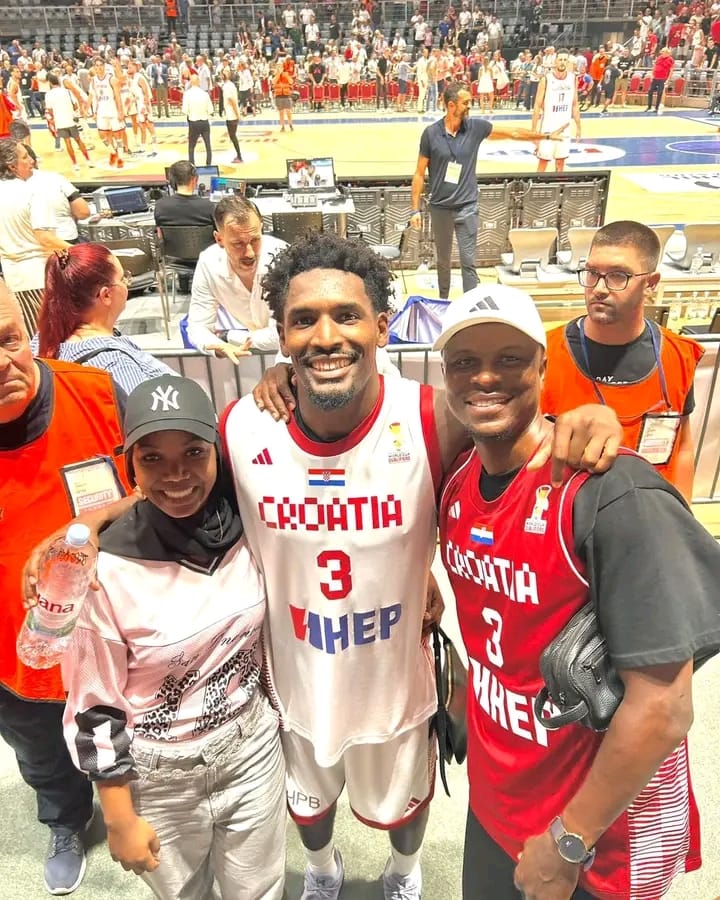
Former Ghanaian professional footballer Abdul Jafar Samed Issah was in attendance, alongside his spouse Khadija , to support his close friend Jaleen Devon Smith as Croatia secured a convincing 115–80 victory over Latvia in the FIBA Basketball World Cup qualifying campaign on Thursday, August 27, 2026.
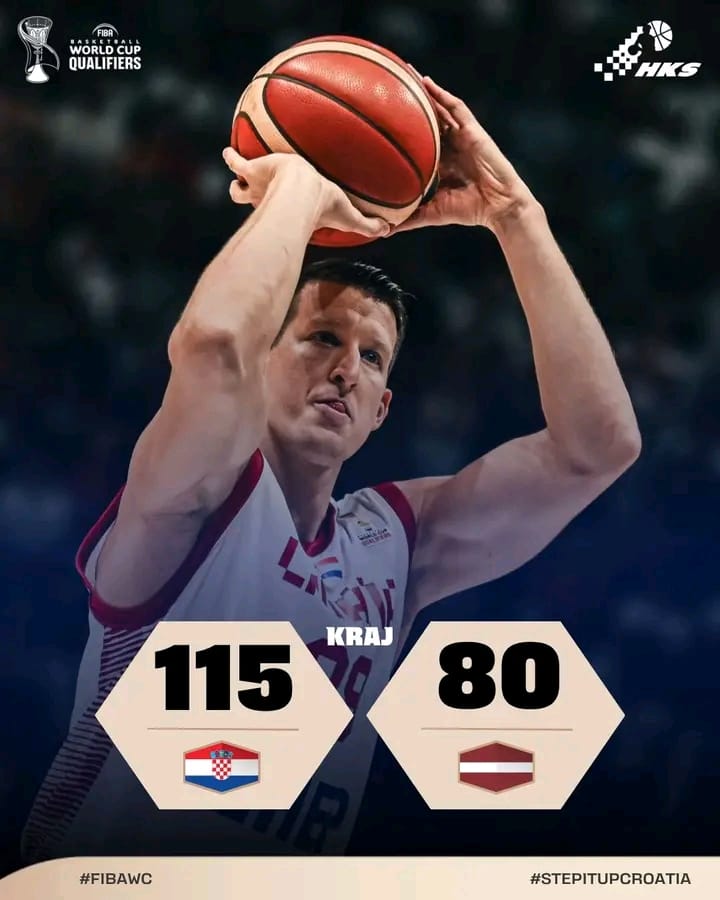
Issah, who enjoyed a professional football career with stints in Denmark, Latvia, Ethiopia and other European destinations, made time to cheer on Smith as Croatia bounced back strongly following their defeat to Germany.
Smith was instrumental in Croatia’s impressive performance, showcasing the form and quality that have made him an important figure for the national team. The result provided Croatia with a much-needed boost in their qualifying campaign.
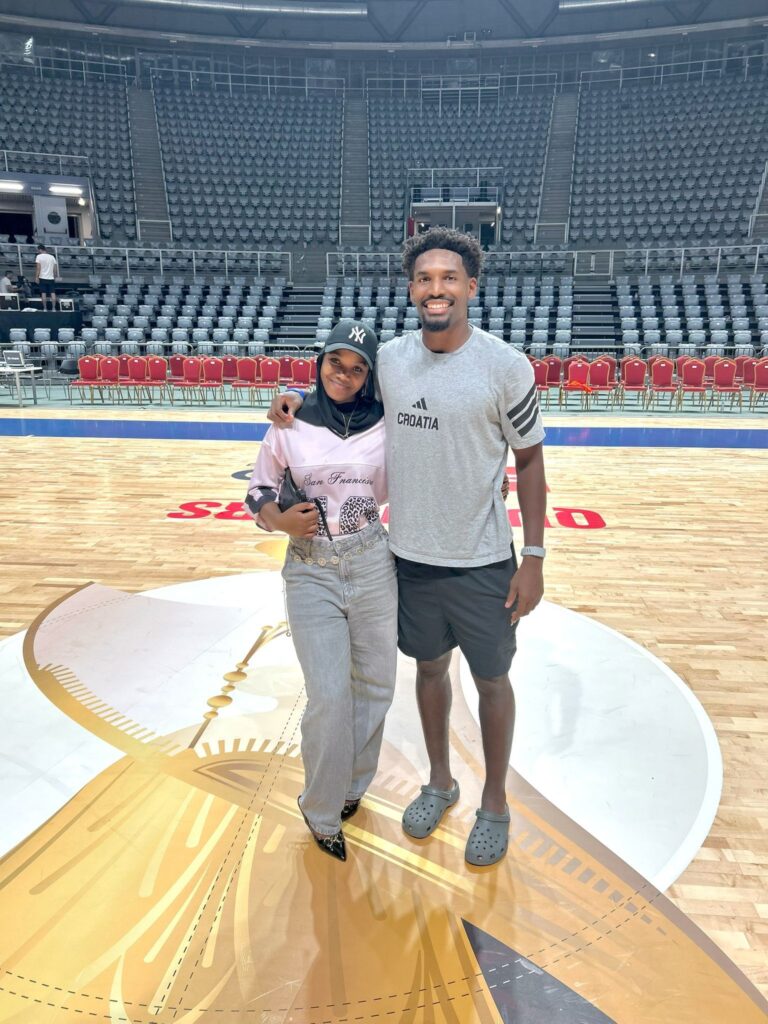
Beyond the sporting arena, Smith and Issah have developed a close friendship over the past year. Their relationship has extended beyond football and basketball, with the pair sharing ideas about potential humanitarian and community-development projects in northern Ghana.
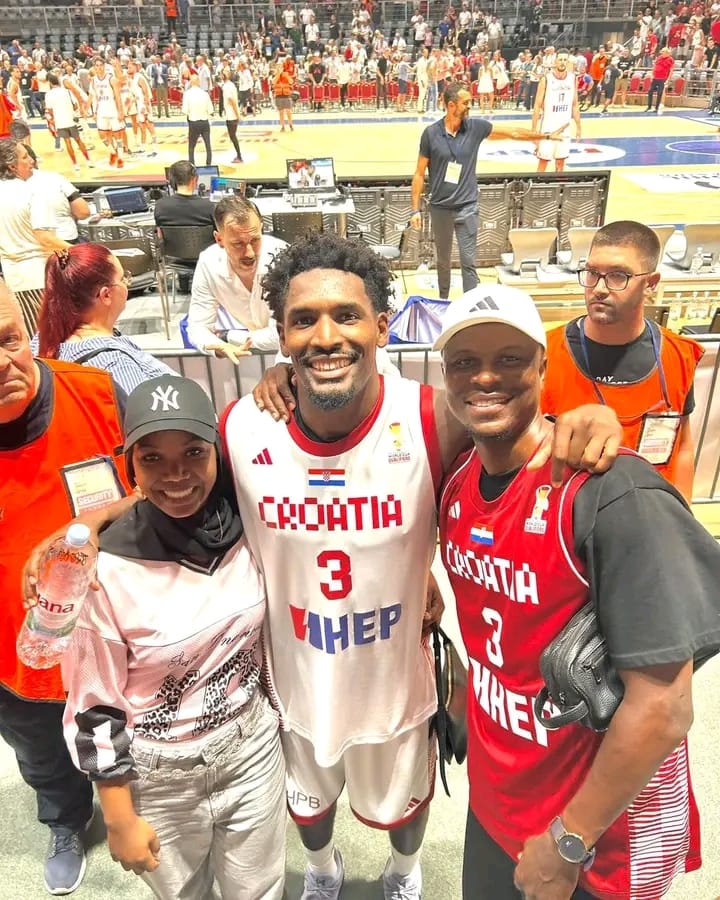
Smith, an American-born professional basketball player who has represented Croatia at international level, has developed a growing admiration for Ghana and is reportedly keen to contribute to initiatives that could positively impact communities in the northern part of the country.
The friendship between the two sports personalities has therefore evolved into more than a personal connection, with discussions around future projects creating excitement among Smith’s supporters and admirers in Ghana.
Smith recently signed with Hapoel Jerusalem, where he is set to compete in the Israeli Premier League and EuroCup. As he continues to make an impact on the basketball court, his growing connection with Ghana through his friendship with Jafar Samad Issah could open the door to meaningful humanitarian initiatives in the future.
For Issah, Thursday’s game was another opportunity to stand firmly behind his friend and celebrate Croatia’s emphatic victory over Latvia.