News
Afenyo-Markin Denies Anti-Gay Bill Post, Says Social Media Account Was Hacked
Details
Published: June 2 2026
Published at : 6:33Pm
Story by Saibu Terry
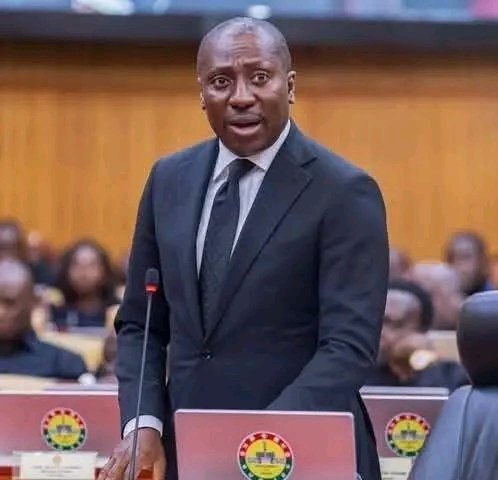
Minority Leader and Member of Parliament for Effutu, Alexander Afenyo-Markin, has rejected claims that he publicly criticised Ghana’s Human Sexual Rights and Family Values Bill, 2025, stating that a social media post attributed to him was unauthorized and published after his account was compromised.
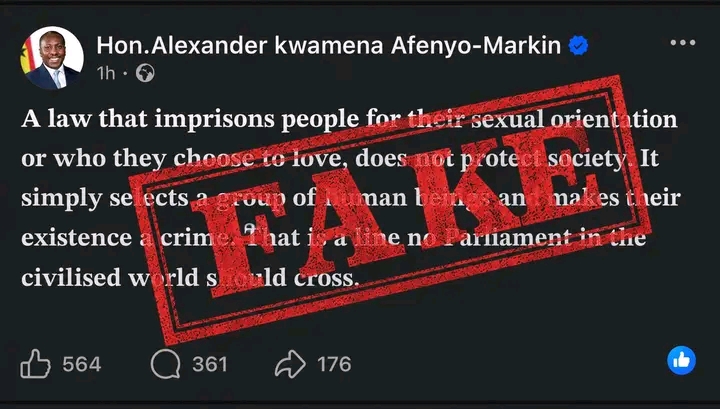
The controversial post, which circulated widely across social media platforms on Tuesday, appeared to show the Minority Leader expressing opposition to the legislation, commonly referred to as the anti-gay bill. In the post, he was quoted as arguing that laws should not criminalize individuals because of their sexual orientation or personal relationships.
The statement quickly gained traction online, generating widespread discussion and prompting varied reactions from the public amid ongoing national conversations about the bill.
However, the post was later deleted, and a subsequent message appeared on Afenyo-Markin’s official Facebook page distancing him from the publication.
“Kindly disregard this post. Account was compromised,” he stated, indicating that the earlier message did not reflect his views.

The Human Sexual Rights and Family Values Bill, 2025, was passed by the Parliament of Ghana on May 29 following consideration of several amendments. The legislation seeks to prohibit LGBTQ-related activities in Ghana while providing exemptions for certain professionals, including legal practitioners, journalists, media organizations, and healthcare workers acting within the scope of their duties.
The bill remains one of the most debated pieces of legislation in the country, drawing strong support from advocates who say it upholds Ghanaian cultural and family values, while critics argue that it raises concerns about human rights, freedom of expression, and individual liberties.
As public discussions continue, Afenyo-Markin’s clarification has added a new dimension to the debate, particularly regarding the authenticity of information shared on social media platforms.