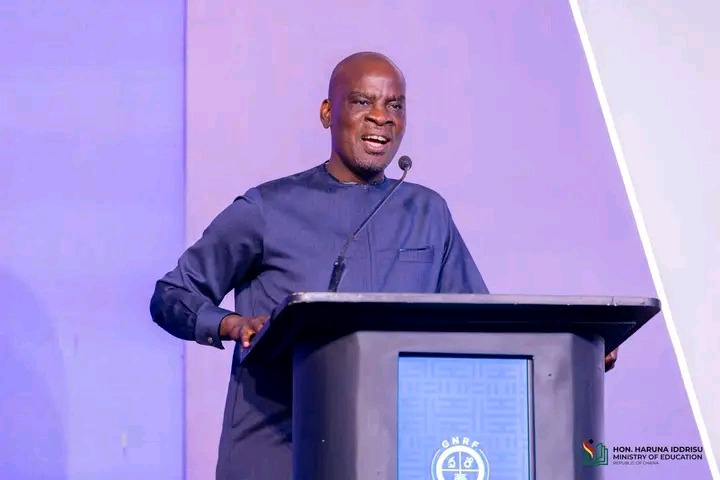
The Minister for Education, Haruna Iddrisu, has outlined a series of digital learning interventions designed to expand access to quality education for students in underserved communities across Ghana.
Speaking on the floor of Parliament on Thursday 18 June 2026 in response to questions from Members of Parliament, the Minister revealed that the Ministry of Education, through the Centre for National Distance Learning and Open Schooling (CENDLOS), is intensifying efforts to provide equitable learning opportunities through innovative digital platforms and educational technologies.
According to Hon. Iddrisu, one of the flagship initiatives is the iBox digital learning platform, which is currently benefiting more than 120,000 students across 240 Senior High Schools nationwide. The platform provides students and teachers with access to educational content and learning resources aimed at improving academic performance and enhancing digital literacy.
The Minister explained that the Ministry is also deploying interactive educational technology tools and offline learning solutions to support schools in remote and disadvantaged areas where internet connectivity remains limited. These interventions are expected to ensure that students in such communities are not left behind in the country’s ongoing digital transformation agenda.
He noted that additional programmes are being introduced to strengthen teaching and learning outcomes, equip learners with essential digital skills, and provide targeted support for students preparing for national examinations.
Hon. Iddrisu emphasized that the digital learning interventions form part of the government’s broader commitment to bridging the digital divide and creating equal educational opportunities for all learners, regardless of their geographical location or socio-economic background.
“The objective is to ensure that every Ghanaian child has access to quality educational resources and the tools needed to succeed in the digital age,” he stated.
The Ministry believes that expanding access to technology-enabled learning will contribute significantly to improving educational outcomes, promoting inclusivity, and preparing students for the demands of a rapidly evolving global economy.
The latest interventions are expected to complement ongoing efforts by the government to modernize the education sector and leverage technology to enhance teaching, learning, and skills development across the country.